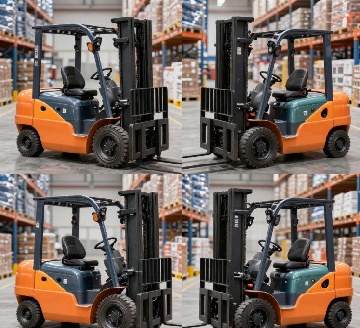
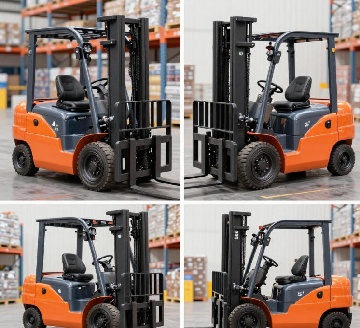
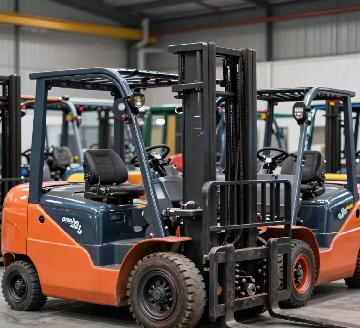
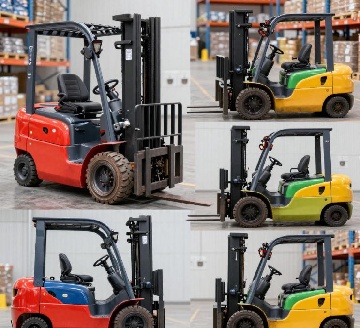
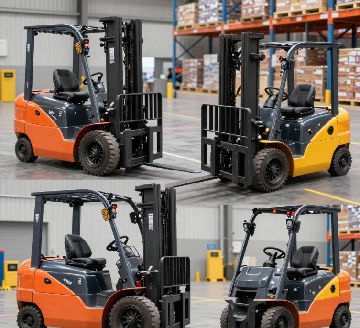
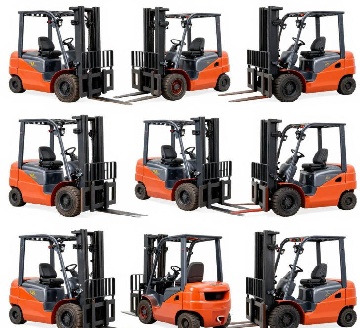
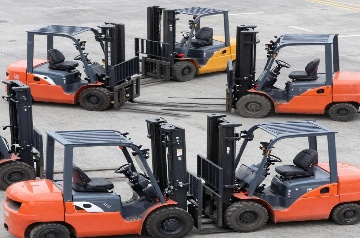
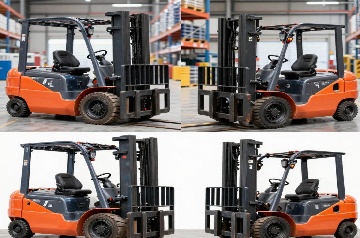
Jamco Forklift: A Multifaceted Material Handling Brand
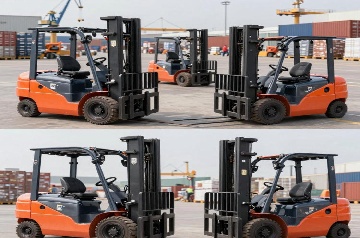
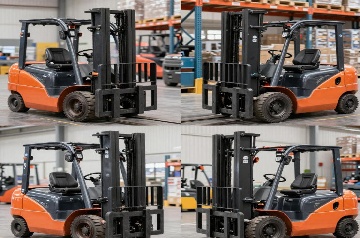
"Jamco" refers to two distinct companies in the material handling industry: Jamco Inc., a forklift and equipment dealer, and Jamco Products, Inc., a manufacturer of carts and storage solutions. Understanding which "Jamco" you need is essential.Jamco Inc.: The Forklift and Battery Charger DealerJamco Inc. is primarily a dealer and supplier of material handling equipment. Founded in 1986 and based in Sanford, Florida, the company operates as a wholesaler and retailer of used and new forklifts, motive-power battery chargers, and forklift attachments.Key Facts:Founded: 1986.Headquarters: Sanford, FL, with additional locations in Plant City, FL, and Cambridge, ON, Canada.Brands: Authorized dealer for Doosan, JLG, Skyjack, Heli, and Mariotti forklifts.Core Business Areas:Forklift Sales & Rentals: Offers a wide range of new and used forklifts, including LPG, diesel, and electric models from brands like Toyota.Battery Chargers: Specializes in motive power battery chargers, marketed under the "
View more